How Environmental Investigations Protect Real Estate Investors
The Hidden Risks Behind Promising Investments
Every real estate investor is searching for the next opportunity, a property with solid returns, growth potential, or redevelopment upside. But sometimes, what’s hidden beneath the surface can turn a golden deal into a financial and legal nightmare.
Environmental contamination, whether from old underground storage tanks, industrial residue, or unseen groundwater pollution, can significantly impact a property’s value, safety, and future use.
According to the U.S. Environmental Protection Agency (EPA), there are more than 450,000 Brownfield sites across the United States. In New Jersey alone, the NJDEP oversees over 14,000 active remediation cases, many directly tied to real estate transactions. Cleanup costs can range from $20,000 to more than $500,000, depending on the site’s condition and the extent of contamination.
The takeaway?
What you don’t know can hurt you and your bottom line. That’s why environmental investigations are essential for protecting investors from hidden liabilities, costly delays, and regulatory complications.
What Is an Environmental Investigation?
An environmental investigation is the process of identifying and assessing potential contamination risks associated with a property before it’s purchased, financed, or redeveloped.
The investigation determines whether environmental hazards exist, their severity, and what actions — if any — are needed to address them.
The Three Core Phases
Phase I Environmental Site Assessment (ESA)
A non-intrusive review of the property’s history, land use, and environmental records.
Identifies potential or recognized environmental conditions (RECs).
Conducted following ASTM Standard E1527-21, which meets the EPA’s All Appropriate Inquiries (AAI) rule.
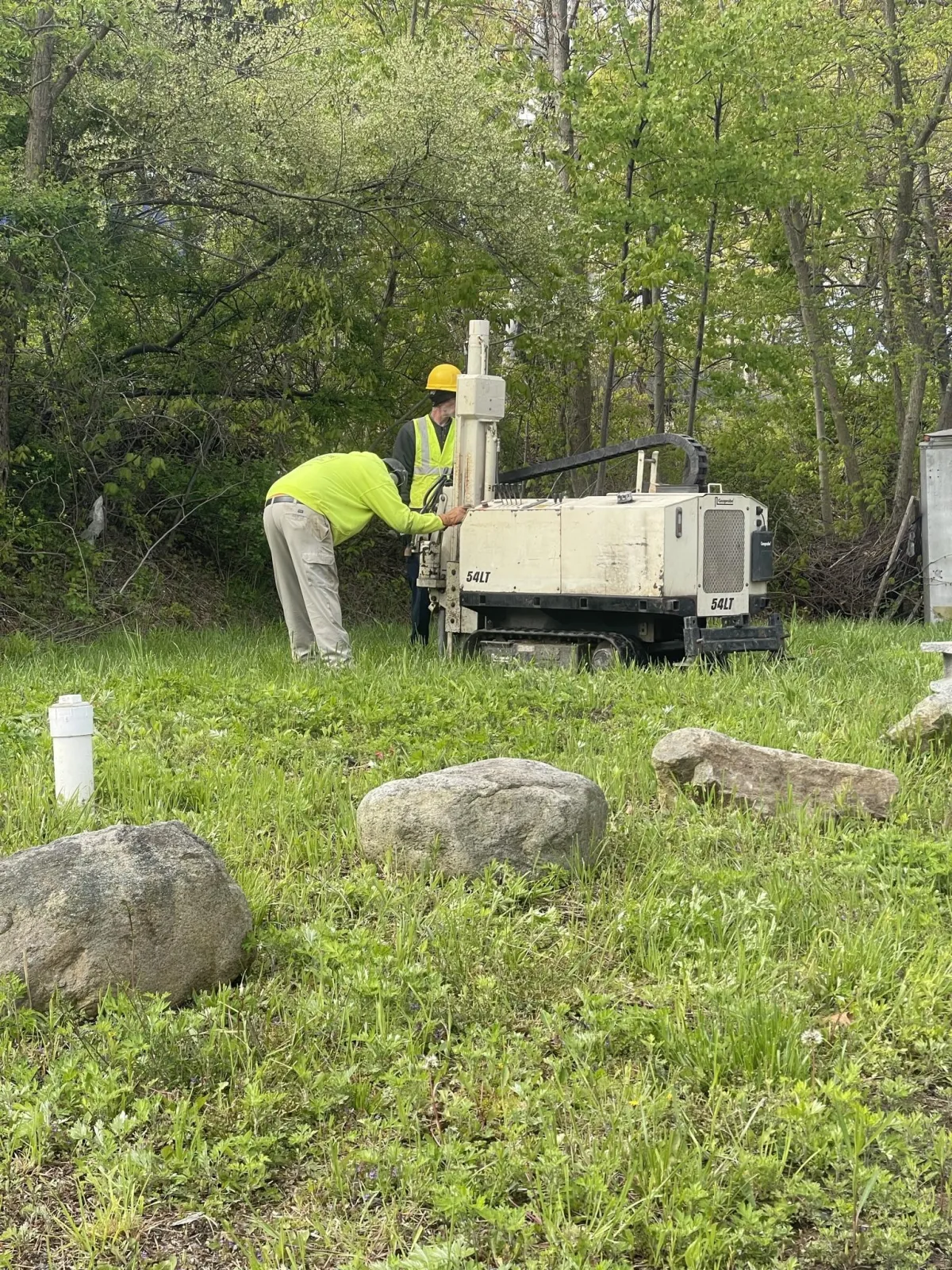
If potential contamination is suspected, this phase involves direct soil, groundwater, or vapor sampling.
Confirms whether contamination exists and to what extent.
Remediation and Case Closure
When contamination is confirmed, cleanup is performed under NJDEP remediation standards.
Once complete, the site receives official closure documentation — a Response Action Outcome (RAO) or No Further Action (NFA) letter — proving compliance and safety.
Why Environmental Investigations Matter for Investors
For investors, environmental due diligence isn’t just a regulatory formality — it’s a strategic safeguard.
1. Protecting Financial Interests
Environmental contamination can dramatically reduce property value and increase ownership costs.
A thorough investigation helps investors avoid overpaying for risky sites, negotiate fairer prices, or walk away from deals that pose too much liability.
It’s not about saying “no” to the deal — it’s about knowing what you’re really buying.
2. Ensuring Legal and Regulatory Compliance
Under the Comprehensive Environmental Response, Compensation, and Liability Act (CERCLA) — also known as the Superfund Law — current property owners can be held liable for contamination, even if they didn’t cause it.
A properly completed Phase I ESA provides legal protection by establishing “All Appropriate Inquiry.”
This shields investors from responsibility for pre-existing contamination, provided they perform due diligence according to federal and NJDEP standards.
3. Satisfying Lender and Insurance Requirements
Most commercial lenders, SBA-backed loans, and insurance providers require environmental clearance before funding or underwriting a property.
Without a valid Phase I ESA, financing can be delayed — or denied entirely.
4. Supporting Redevelopment and ROI
Environmental investigations don’t just prevent problems — they unlock opportunities.
By understanding a site’s environmental conditions early, investors can plan redevelopment efficiently, budget for any cleanup, and position the property for maximum value.
Clean, documented sites with NJDEP closure certifications are more attractive to buyers, tenants, and lenders alike.
Common Environmental Liabilities That Can Trap Investors
Even experienced investors can be caught off guard by hidden environmental issues. Some of the most common include:
1. Leaking Underground Storage Tanks (USTs)
Often found at former gas stations, auto shops, or industrial sites.
Over time, tanks corrode and leak petroleum hydrocarbons into soil and groundwater.
Cleanup costs can soar, especially if contamination migrates off-site.
2. Historical Industrial Contamination
Old factories, warehouses, or dry-cleaning facilities may have used solvents like TCE or PCE that persist for decades.
These contaminants can move underground, affecting nearby properties.
3. Soil and Groundwater Pollution
Spills, dumping, or runoff from industrial activity can degrade site conditions.
May restrict redevelopment or trigger NJDEP oversight until remediation is complete.
4. Vapor Intrusion
Chemical vapors can migrate upward into buildings from contaminated soil or groundwater, posing health and compliance risks.
5. Hazardous Building Materials
Older structures often contain asbestos, lead paint, or PCBs, which require professional abatement before renovation or demolition.
Each of these liabilities can turn a promising property into a financial burden — unless identified early through a professional investigation.
The Investor’s Due Diligence Process: From Assessment to Protection
The due diligence process ensures that investors uncover and manage environmental risks before closing a deal.
Step 1: Conduct a Phase I ESA
A certified environmental consultant reviews records, performs a site visit, and identifies potential contamination risks.
Step 2: Order a Phase II ESA (If Needed)
If the Phase I identifies RECs, further testing confirms whether contaminants are actually present.
Step 3: Develop a Remediation Plan
If contamination exists, professionals create a cleanup plan compliant with NJDEP remediation standards.
Step 4: Achieve Regulatory Closure
A Licensed Site Remediation Professional (LSRP) or Licensed Subsurface Evaluator (SSE) ensures cleanup is properly completed and documented.
Once approved, NJDEP issues a closure letter (RAO/NFA), certifying compliance.
Step 5: Maintain Documentation
Keep copies of all environmental reports, closure letters, and certifications for future reference, resale, or audits.
The Cost of Skipping Environmental Investigation
Ignoring due diligence can have devastating consequences.
Potential Outcomes Include:
Cleanup liability for contamination you didn’t cause.
Loss of financing or insurance due to undisclosed environmental issues.
Reduced property value or inability to sell.
NJDEP enforcement and penalties for non-compliance.
Damage to reputation and investor trust.
Real-World Example:
An investor buys a commercial property without conducting a Phase I ESA. Months later, a contractor discovers a buried fuel tank leaking into groundwater. The cleanup costs exceed $200,000, and because the investor skipped proper due diligence, they are legally responsible.
How Oak Environmental Protects Real Estate Investors
At Oak Environmental, we specialize in uncovering environmental risks before they become financial surprises. Our goal is to help investors make informed, confident decisions based on accurate, NJDEP-compliant data.
Our Core Services
Phase I & II Environmental Site Assessments (ESAs)
Identify potential or confirmed contamination in line with ASTM and EPA standards.Soil, Groundwater & Vapor Testing
Detailed subsurface investigations for full site clarity.Remediation & Case Closure
From design to execution, we handle cleanup and documentation until NJDEP closure.Regulatory Coordination
Manage all communication and reporting with NJDEP and lenders.Licensed Subsurface Evaluators (SSEs)
Certified professionals with authority to conduct regulated investigations in New Jersey.
Why Investors Trust Oak Environmental
Decades of hands-on experience across New Jersey’s commercial, industrial, and redevelopment markets.
Fast turnaround times for tight transaction schedules.
Transparent communication with investors, attorneys, and lenders.
Proven results — turning environmental uncertainty into deal confidence.
With Oak Environmental, your investments are protected by data, expertise, and trust.
Case Example: Turning Risk into Opportunity
A New Jersey investor planned to redevelop an aging commercial property. Oak Environmental conducted a Phase I ESA, uncovering a buried heating oil tank and signs of soil contamination.
Our team quickly completed a Phase II investigation, confirmed the issue, and managed remediation under NJDEP oversight. Within six weeks, the site received an RAO (Response Action Outcome) letter — allowing the investor to close on schedule and begin redevelopment.
Result: A cleaner, safer property — and a deal that stayed profitable.
Smart Investors Look Beneath the Surface
In real estate, the biggest risks aren’t always visible. Environmental investigations give investors the clarity they need to make smart, confident decisions — and avoid the financial and legal headaches that come from hidden contamination.
With proper due diligence, regulatory compliance, and trusted professionals like Oak Environmental, investors can protect their portfolios, enhance property value, and ensure every deal is built on solid ground.
Take Action Today
Don’t let environmental risks threaten your property closing. Oak Environmental helps buyers, sellers, and attorneys navigate due diligence with clarity and confidence. Schedule your consultation today at oaknj.com/contact and move your deal forward with compliance and peace of mind.
Oak Environmental — accelerating safe, compliant, and successful closings across New Jersey.
