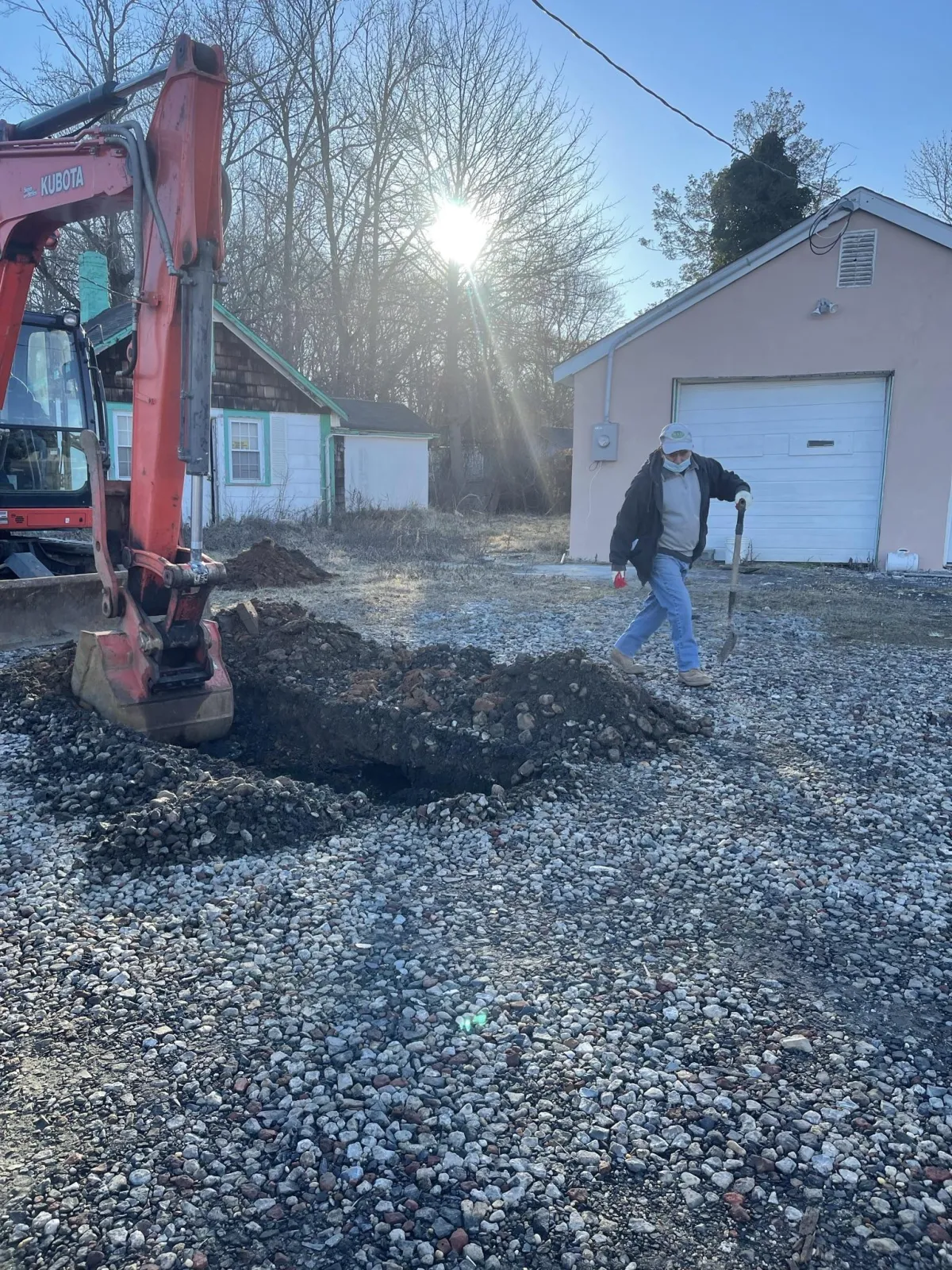
NJDEP Site Remediation Program: What You Need to Know
Protecting New Jersey’s Land, Air, and Water
For more than a century, New Jersey’s industrial history has powered economic growth but it’s also left behind a legacy of environmental contamination. From old factories and dry cleaners to leaking storage tanks and landfills, thousands of properties across the state have been impacted by hazardous substances.
To protect public health, groundwater, and the environment, the New Jersey Department of Environmental Protection (NJDEP) established the Site Remediation Program (SRP) — a comprehensive framework that oversees the investigation, cleanup, and regulatory closure of contaminated sites.
Whether you’re a property owner, developer, or investor, understanding the NJDEP Site Remediation Program is essential for protecting your assets and maintaining compliance.
In this article, we’ll break down how the program works, when it applies, and how Oak Environmental helps clients navigate every step with expertise and efficiency.
What Is the NJDEP Site Remediation Program (SRP)?
The Site Remediation Program (SRP) is a specialized division of the NJDEP responsible for managing the cleanup and closure of contaminated properties throughout New Jersey.
Purpose and Mission
The SRP ensures that soil, groundwater, and air impacted by hazardous substances are remediated to standards that protect both the environment and human health — while supporting safe redevelopment.
Core Legal Framework
The program is guided by several key laws and regulations:
Site Remediation Reform Act (SRRA, 2009): Established a new system where certified environmental professionals — known as Licensed Site Remediation Professionals (LSRPs) — manage most cleanup projects.
Brownfield and Contaminated Site Remediation Act (N.J.S.A. 58:10B): Provides funding and incentives for redeveloping contaminated sites.
NJ Administrative Code (N.J.A.C. 7:26E): Defines the Technical Requirements for Site Remediation, detailing how investigations, sampling, and cleanups must be performed.
Program Goals
Protect public health and safety
Restore soil, groundwater, and surface water quality
Enable safe property reuse and redevelopment
Maintain transparency and accountability through documentation and NJDEP oversight
When Does the NJDEP Site Remediation Program Apply?
You may fall under the Site Remediation Program if you:
Own or operate a property where contamination is known or suspected
Buy or redevelop a site with prior industrial or commercial use
Store or handle hazardous substances regulated by the NJDEP
Discover a spill or leak, or receive a notice of investigation from the NJDEP
Inherit or acquire contaminated property through purchase or merger
Common Scenarios
A leaking underground storage tank (UST) contaminates soil and groundwater.
A dry cleaning operation leaves behind chlorinated solvent residues.
A manufacturer ceases operations, leaving historical contamination.
A developer plans to redevelop a Brownfield site into mixed-use property.
In all of these situations, the Site Remediation Program defines the process for bringing the property into compliance.
How the NJDEP Site Remediation Process Works
Every remediation project under NJDEP oversight follows a step-by-step process to ensure transparency and compliance.
Step 1: Identification of Contamination
Contamination may be discovered during:
Environmental due diligence (Phase I/Phase II ESAs)
Construction or redevelopment activities
Spills or discharges reported to NJDEP
Historical land use investigations
Once identified, the responsible party must act immediately to assess and address the issue.
Step 2: Hire a Licensed Site Remediation Professional (LSRP)
Under the Site Remediation Reform Act, all responsible parties must retain an LSRP — a certified environmental professional licensed by the NJDEP.
The LSRP’s role is to:
Oversee all aspects of the remediation process.
Ensure work complies with NJDEP regulations.
Submit required reports and certifications to the NJDEP.
Issue a Response Action Outcome (RAO) letter upon completion of NJDEP’s confirmation that the site meets cleanup standards.
Hiring an experienced LSRP is often the single most important step in achieving timely, compliant site closure.
Step 3: Preliminary Assessment (PA) and Site Investigation (SI)
These are the initial investigation phases:
Preliminary Assessment (PA): Reviews property history, regulatory databases, and potential contamination sources.
Site Investigation (SI): Collects samples of soil, groundwater, or vapor to confirm whether contamination exists.
If contamination is confirmed, the project moves into the remedial investigation phase.
Step 4: Remedial Investigation (RI)
The remedial investigation defines the nature and extent of contamination.
This includes:
Mapping how far contamination has spread
Identifying affected environmental media (soil, water, vapor)
Determining cleanup standards based on site use (residential, commercial, etc.)
Data collected during this phase guides the next step — remediation design.
Step 5: Remedial Action (RA)
Remedial actions are designed to remove, contain, or treat contamination.
Common methods include:
Excavation and disposal of contaminated soil
Groundwater treatment systems (pump-and-treat, in-situ chemical oxidation, or filtration)
Vapor mitigation systems to prevent vapor intrusion
Capping or containment to isolate contamination from exposure pathways
Each remedial plan must meet NJDEP Technical Requirements and be certified by an LSRP.
Step 6: Post-Remediation Monitoring
After cleanup, periodic sampling ensures contamination levels remain below NJDEP standards.
Monitoring may continue for several months or years, depending on the site’s complexity.
Step 7: Regulatory Closure
Once all cleanup goals are achieved and verified, the LSRP issues a Response Action Outcome (RAO) letter — the official document signifying regulatory closure.
The RAO certifies that:
All contamination has been remediated to applicable standards.
Ongoing monitoring (if required) is in place.
The site is safe for its intended use.
This document is critical for property transfers, redevelopment, or financing.
Key Participants in the Site Remediation Program
1. Property Owner / Responsible Party
Legally and financially responsible for investigation, remediation, and closure.
2. Licensed Site Remediation Professional (LSRP)
Authorized to manage and certify remediation projects on behalf of NJDEP.
3. Environmental Consultants (like Oak Environmental)
Perform fieldwork, collect samples, design remedial systems, and prepare regulatory documentation under the LSRP’s direction.
4. NJDEP Oversight
Monitors compliance through audits, guidance updates, and enforcement if necessary.
Common Types of Remediation Projects in New Jersey
Leaking Underground Storage Tanks (USTs) — Fuel or heating oil leaks contaminating soil and groundwater.
Industrial Site Closures — Historical contamination discovered after facility shutdown.
Vapor Intrusion Mitigation — Preventing chemical vapors from entering indoor air.
Groundwater Contamination — Addressing dissolved plumes migrating off-site.
Brownfield Redevelopment — Cleaning and repurposing contaminated urban land.
Each project requires careful coordination among owners, consultants, and regulators.
How Long Does the Process Take?
Remediation timelines vary based on the size and complexity of contamination.
Phase Typical Duration
Preliminary Assessment & Site Investigation 2–4 months
Remedial Investigation 6–12 months
Remedial Action & Closure 6–18 months
With proactive planning and experienced consultants, many cases achieve closure within 12–24 months.
Oak Environmental’s Expertise in NJDEP Site Remediation
At Oak Environmental, we help property owners, developers, and investors navigate every stage of the NJDEP remediation process from the first assessment to final closure.
Our Core Services
Preliminary Assessments (PA) & Site Investigations (SI)
Identify and confirm contamination efficiently.Remedial Investigations (RI) & Action Plans (RA):
Define contamination and design cost-effective cleanup strategies.Soil, Groundwater, & Vapor Sampling:
Laboratory-grade data collection and interpretation.Remediation Design & Implementation:
Proven techniques to achieve compliance quickly and safely.LSRP Coordination & NJDEP Reporting:
Seamless collaboration for faster case closure.Response Action Outcome (RAO) Documentation:
The final step in demonstrating regulatory compliance.
Why Clients Choose Oak Environmental
Licensed Subsurface Evaluators (SSEs) with decades of NJDEP experience.
Proven record of accelerating environmental closures.
Turnkey project management — from investigation to remediation.
Transparent communication with clients, lenders, and attorneys.
Oak Environmental transforms complex NJDEP remediation requirements into clear, actionable results.
Benefits of Completing the NJDEP Site Remediation Process
Regulatory Protection: Obtain official NJDEP closure and RAO certification.
Enhanced Property Value: Clean, compliant sites attract investors and lenders.
Reduced Liability: Avoid penalties and unexpected cleanup orders.
Redevelopment Potential: Unlock Brownfield properties for future projects.
Peace of Mind: Assurance that your property meets all environmental standards.
Case Example: From Contamination to Compliance
A property owner in Middlesex County discovered an abandoned underground storage tank during renovations. Oak Environmental performed a Preliminary Assessment and Site Investigation, confirming petroleum contamination.
Our team developed a remedial action plan that included tank removal, soil excavation, and confirmatory sampling. Within six months, the project achieved full NJDEP closure with an RAO letter — restoring the property’s marketability and value.
This case demonstrates how effective coordination and experience can turn a compliance challenge into a success story.
Conclusion: Compliance That Protects Your Investment
The NJDEP Site Remediation Program isn’t just a regulatory requirement — it’s a safeguard for your property, your community, and your investment.
For property owners, developers, and investors, understanding and following the SRP process ensures legal protection, environmental responsibility, and long-term value.
Oak Environmental provides the licensed expertise, technical precision, and hands-on management you need to navigate remediation confidently — from the first soil test to the final RAO letter.
Take Action Today
If you need help navigating the NJDEP Site Remediation process, Oak Environmental is here to guide you every step of the way. Our team provides the expertise, compliance support, and hands-on service you need to manage environmental challenges with confidence. Whether you’re dealing with contamination, preparing for redevelopment, or pursuing NJDEP closure, we’ll help you achieve safe, compliant, and timely results.
Visit oaknj.com/contact to schedule a consultation and discuss your site remediation needs. Oak Environmental — guiding New Jersey property owners toward clean, compliant, and confident redevelopment.
