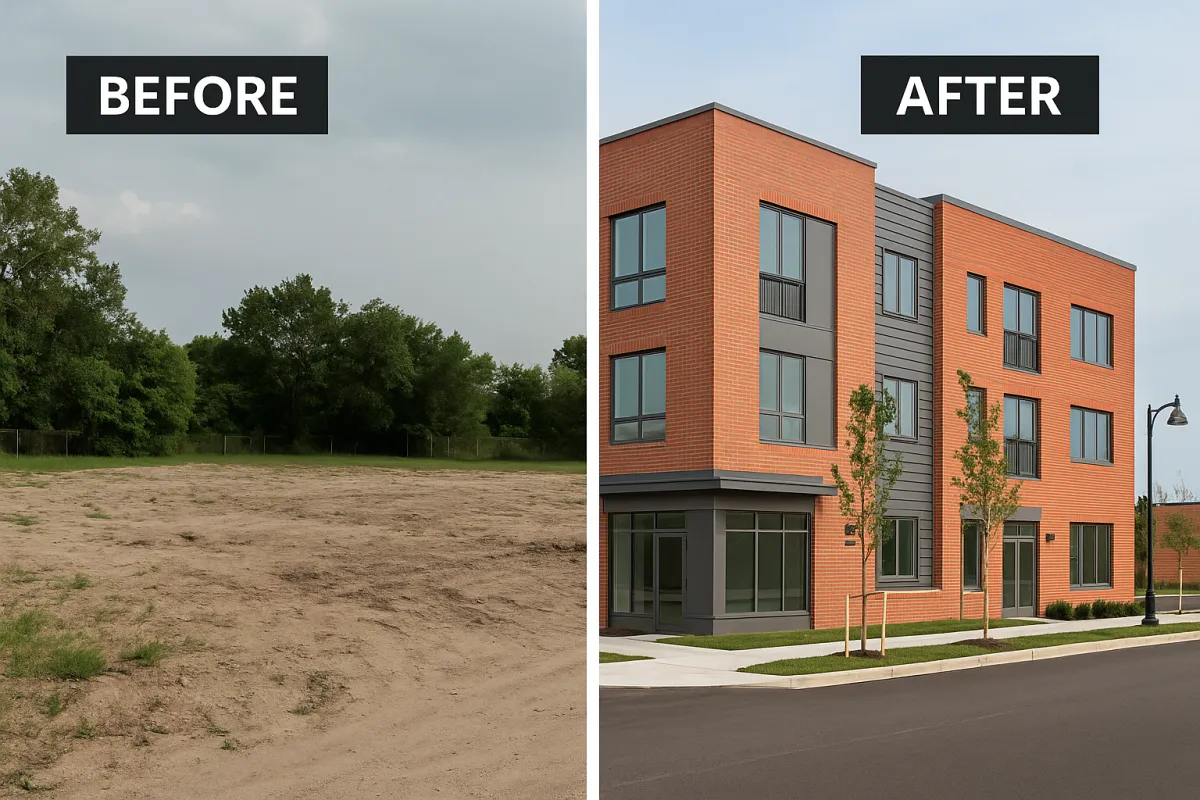
NJ Brownfield Redevelopment: Risks and Opportunities
Turning Contaminated Land into Opportunity
All across New Jersey, hundreds of once-vibrant properties now sit vacant, remnants of the state’s proud industrial past. From old gas stations and factories to former warehouses and landfills, these sites are collectively known as Brownfields: properties whose redevelopment is complicated by actual or perceived environmental contamination.
While Brownfields have long been viewed as liabilities, they’re increasingly recognized as prime opportunities for growth, investment, and community revitalization. With the right expertise, even contaminated land can become a valuable, clean, and productive asset.
According to the U.S. Environmental Protection Agency (EPA), there are more than 450,000 Brownfield sites nationwide. New Jersey, a state with one of the richest industrial histories, has taken a national lead in remediation and redevelopment, completing over 900 successful Brownfield projects since the Brownfield and Contaminated Site Remediation Act (N.J.S.A. 58:10B) was enacted. These projects have generated billions in private investment, created jobs, and restored property tax revenue across the state.
For developers and investors, the potential is enormous, but so are the challenges. This article explores the risks and opportunities of Brownfield redevelopment in New Jersey, and how Oak Environmental helps clients turn complex sites into thriving real estate success stories.
What Are Brownfields?
A Brownfield is a property whose redevelopment, reuse, or expansion is complicated by the presence — or potential presence of hazardous substances, pollutants, or contaminants.
These sites are not necessarily abandoned wastelands; many are in strategic, high-value areas waiting for environmental and regulatory clearance before redevelopment can begin.
Common Examples Include:
Former gas stations or auto repair shops
Industrial or manufacturing plants
Old dry cleaners use solvents like PCE and TCE
Warehouses, rail yards, or fuel storage terminals
Vacant urban lots near historically contaminated properties
While some Brownfields are heavily polluted, others are simply suspected to be — yet both can deter buyers and lenders until environmental due diligence is completed.
The Opportunity: Why Redevelop Brownfields?
Despite their reputation, Brownfields represent one of the most promising real estate opportunities in New Jersey. Redevelopment can unlock significant environmental, financial, and social value.
1. Prime Locations
Many Brownfields occupy desirable urban and suburban locations, often near major highways, ports, and transit hubs. These sites can be ideal for mixed-use, industrial, or residential redevelopment.
2. State and Federal Incentives
The New Jersey Department of Environmental Protection (NJDEP) and the New Jersey Economic Development Authority (NJEDA) offer multiple programs to support cleanup and redevelopment:
Brownfield Redevelopment Incentive Program: Covers up to 40% of remediation costs.
Hazardous Discharge Site Remediation Fund (HDSRF): Provides grants and low-interest loans for site investigation and cleanup.
Economic Redevelopment and Growth (ERG) Program: Offers additional financial support for redevelopment projects.
These incentives can make even challenging projects financially viable.
3. Community and Economic Revitalization
Redeveloping Brownfields removes blight, creates jobs, and rejuvenates communities. Each successful project reduces environmental hazards and stimulates local economies.
4. Long-Term Property Value
Clean, remediated properties with NJDEP closure documentation (RAO/NFA) command higher market values and offer lasting appeal to investors, tenants, and lenders.
The Risks: Challenges in Brownfield Redevelopment
Redeveloping a contaminated property requires more than vision — it demands expertise, planning, and compliance with strict environmental regulations.
Here are the key risks developers must manage:
1. Environmental Uncertainty
The true extent of contamination isn’t always known until Phase II testing is performed.
Unanticipated contamination can increase project costs or delay schedules.
2. Regulatory Complexity
Developers must follow NJDEP’s Technical Requirements for Site Remediation (N.J.A.C. 7:26E).
Projects require oversight from a Licensed Site Remediation Professional (LSRP) or Licensed Subsurface Evaluator (SSE).
3. Financial and Legal Liability
Without proper due diligence, owners can be held responsible for historical contamination under the NJ Spill Act or CERCLA (Superfund Law).
Incomplete or noncompliant cleanups can expose investors to fines and future litigation.
4. Project Delays
Remediation and permitting can take months if not planned properly.
Unexpected findings during excavation or construction can halt progress.
5. Perception and Market Barriers
Lenders and insurers often hesitate to back Brownfield projects until official closure documentation is issued.
Despite these risks, with the right guidance, most Brownfield challenges can be anticipated and overcome.
The Process: From Contamination to Redevelopment
Brownfield redevelopment follows a structured process designed to ensure environmental and public safety while paving the way for new use.
Step 1: Preliminary Assessment / Phase I ESA
A record review and site inspection to identify potential contamination sources.
Establishes a baseline understanding of environmental conditions.
Step 2: Site Investigation / Phase II ESA
Soil, groundwater, and vapor samples are collected for laboratory analysis.
Determines if contamination is present and its extent.
Step 3: Remedial Investigation
Defines contamination boundaries and assesses risk to human health and the environment.
Step 4: Remediation Design and Implementation
Cleanup strategies may include:
Soil excavation and replacement
Groundwater treatment (pump & treat or in-situ chemical oxidation)
Vapor mitigation systems under buildings
Step 5: Case Closure
Once NJDEP remediation standards are met, the property receives a Response Action Outcome (RAO) or No Further Action (NFA) letter, confirming compliance.
At this stage, the property is legally cleared for redevelopment or sale.
Successful Examples in New Jersey
Camden Waterfront Redevelopment
Former industrial lands along the Delaware River were remediated and transformed into a thriving commercial district featuring offices, parks, and entertainment venues.
Jersey City’s Liberty Harbor
A once-contaminated industrial area redeveloped into a vibrant mixed-use community, adding residential and retail vitality to the waterfront.
Newark’s Ironbound District
Brownfield parcels previously housing factories and warehouses have been remediated and repurposed into logistics centers and commercial hubs.
Each of these projects demonstrates how Brownfields can evolve from environmental burdens into economic engines when guided by the right environmental expertise.
How Oak Environmental Supports Brownfield Redevelopment
At Oak Environmental, we understand the complexities of turning contaminated land into profitable, compliant redevelopment opportunities.
Our certified professionals provide end-to-end environmental services, ensuring every Brownfield project meets NJDEP standards while staying on schedule and within budget.
Our Services Include
Phase I & II Environmental Site Assessments (ESAs):
Early identification and confirmation of contamination risks.Soil, Groundwater & Vapor Investigation:
Comprehensive testing and data interpretation to design cost-effective cleanup plans.Remediation Design & Implementation:
Tailored solutions — from excavation to groundwater treatment — compliant with NJDEP standards.Regulatory Coordination:
Seamless liaison with NJDEP, NJEDA, and local agencies for faster project approval.Case Closure & Certification (RAO/NFA):
Full documentation confirming your property meets regulatory standards and is ready for redevelopment.
Our Competitive Advantage
Certified Licensed Subsurface Evaluators (SSEs) and environmental scientists with decades of experience.
Deep understanding of New Jersey’s Brownfield laws and funding programs.
Transparent reporting, lender-ready documentation, and responsive communication.
Proven track record of helping developers, municipalities, and investors turn contaminated sites into clean, marketable assets.
Oak Environmental doesn’t just manage environmental risk; we turn it into a redevelopment opportunity.
Balancing Risk and Reward: Key Insights for Developers
Start Environmental Due Diligence Early
Identify contamination risks before acquisition or construction planning begins.Work with Certified Professionals
Engage NJDEP-licensed experts like LSRPs or SSEs for credible, defensible reporting.Leverage State and Federal Incentives
Apply for NJEDA or HDSRF funding early to offset investigation and remediation costs.Maintain Clear Communication
Keep lenders, regulators, and community stakeholders informed throughout the process.Plan for Contingencies
Build flexibility into budgets and timelines for potential remediation findings.
These proactive steps ensure Brownfield redevelopment remains both feasible and profitable.
Rebuilding New Jersey from the Ground Up
Brownfield redevelopment isn’t just about cleaning contaminated land; it’s about reviving communities, boosting economies, and creating sustainable growth.
In New Jersey, where industrial legacies run deep, the right environmental expertise can turn even the most challenging sites into vibrant centers of opportunity.
Oak Environmental helps property owners, developers, and investors navigate the regulatory, technical, and financial complexities of Brownfield projects, delivering compliance, confidence, and long-term value.
Take Action Today
Don’t let environmental risks threaten your property closing. Oak Environmental helps buyers, sellers, and attorneys navigate due diligence with clarity and confidence. Schedule your consultation today at oaknj.com/contact and move your deal forward with compliance and peace of mind.
Oak Environmental — accelerating safe, compliant, and successful closings across New Jersey.
